Dear Fathers and Matushki,
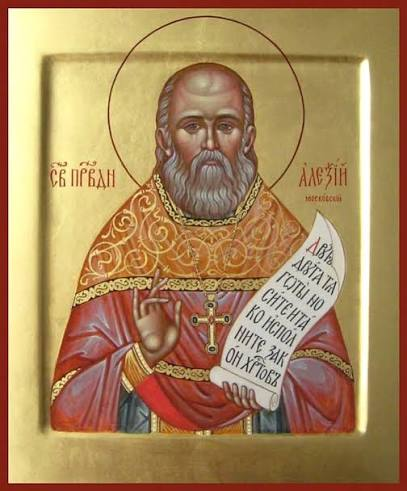
Recently, a priest friend introduced me to the life of St. Alexei of Moscow and gave me a small icon of the saint. It now sits on my desk as I do my daily work. As he handed it to me, he remarked that the work of the Office of Pastoral Life had brought St. Alexei to mind.
St. Alexei Mechev (1859–1923) was a parish priest in Moscow in the late nineteenth and early twentieth centuries. After the early death of his wife, he continued his life quietly in the parish. Over time, he became known as a spiritual father—often called the “Elder of Moscow”—not because of any position he held, but because of the way he received and guided people. In 2000, the Russian Orthodox Church canonized him a saint.
One of the defining themes of St. Alexei’s life is the long period in which he served faithfully in a church that was nearly empty. The services were simple. Few people came.
He continued to serve, to hear confessions, and to pray.
Nothing changed quickly.
And then, slowly, people began to return.
St. Alexei’s life reminds us that faithfulness is not always measured by what can be seen in the moment. Many of our senior clergy and clergy wives served through years when growth was elusive and many parishes experienced decline. Yet during those years, they laid foundations, nurtured communities, raised families, and handed on the faith. As we witness signs of renewed growth across the OCA today, we do well to remember that much of this groundwork was laid by clergy households who simply remained steadfast.
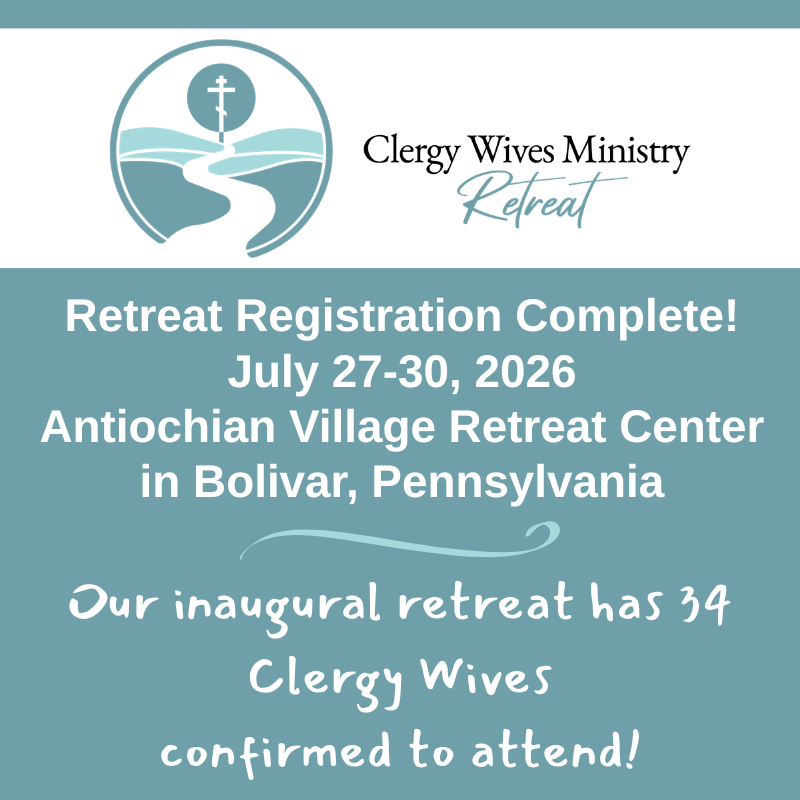
To honor that legacy is also to take seriously our responsibility to sustain those serving the Church today. Later this month, clergy wives will gather at the Antiochian Village for the Come Away and Rest retreat, and in September clergy from across the OCA will gather in Mundelein for our pastoral retreat, The Fields Are Ripe for the Harvest. We look forward to these opportunities for renewal, fellowship, and encouragement in the work God has entrusted to us.
In Christ,
Fr. Nicholas Solak
Director, Office of Pastoral Life
View OPL Newsletters Online!
Would you rather view this newsletter on your browser? All newsletters are available on the Office of Pastoral Life website as well! Visit our new newsletters page at https://opl.oca.org/opl-
VIEW THIS NEWSLETTER ONLINE!
~ OPL IMPACT ~
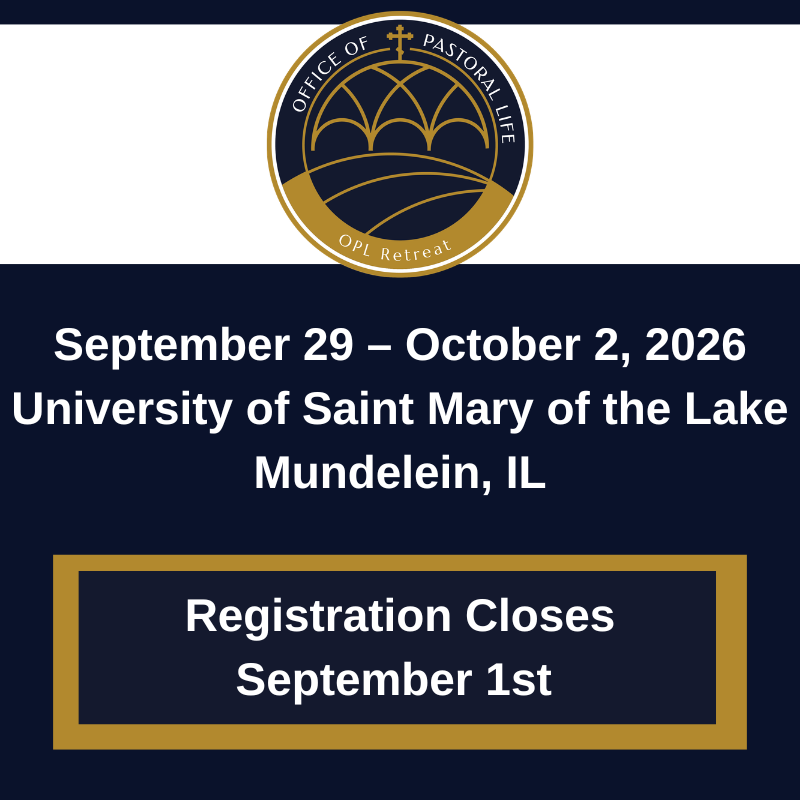
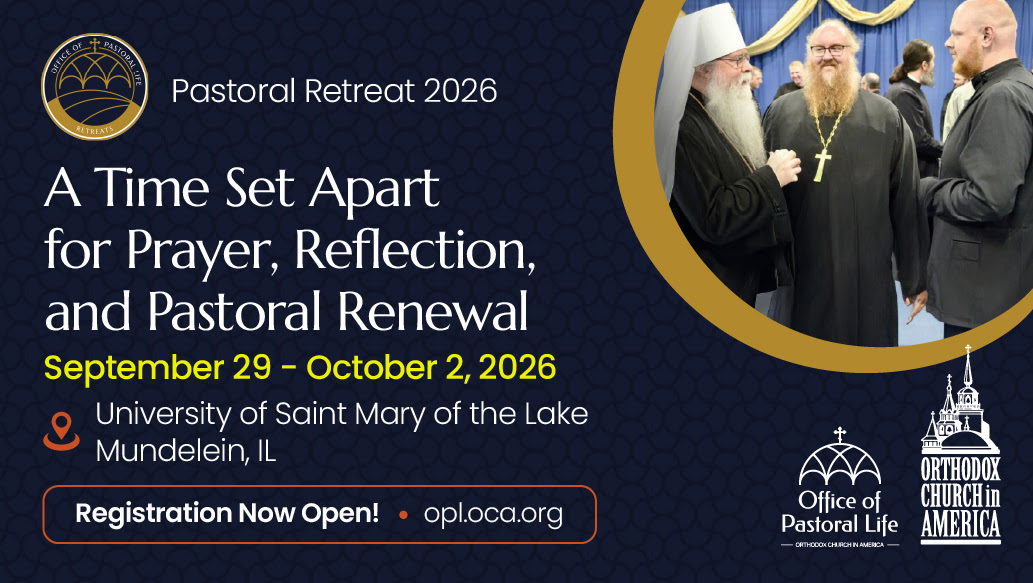
Pastoral Retreat Theme: The Fields Are Ripe for the Harvest
Many other optional individual workshop sessions and speakers can be viewed on the retreat page.
Key Presenters:
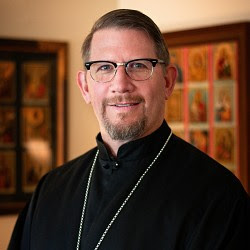
Archpriest John Parker
Dean of Saint Tikhon’s Theological Seminary
Title of talk: “Radical Growth and a Return to the Roots of Discipleship”
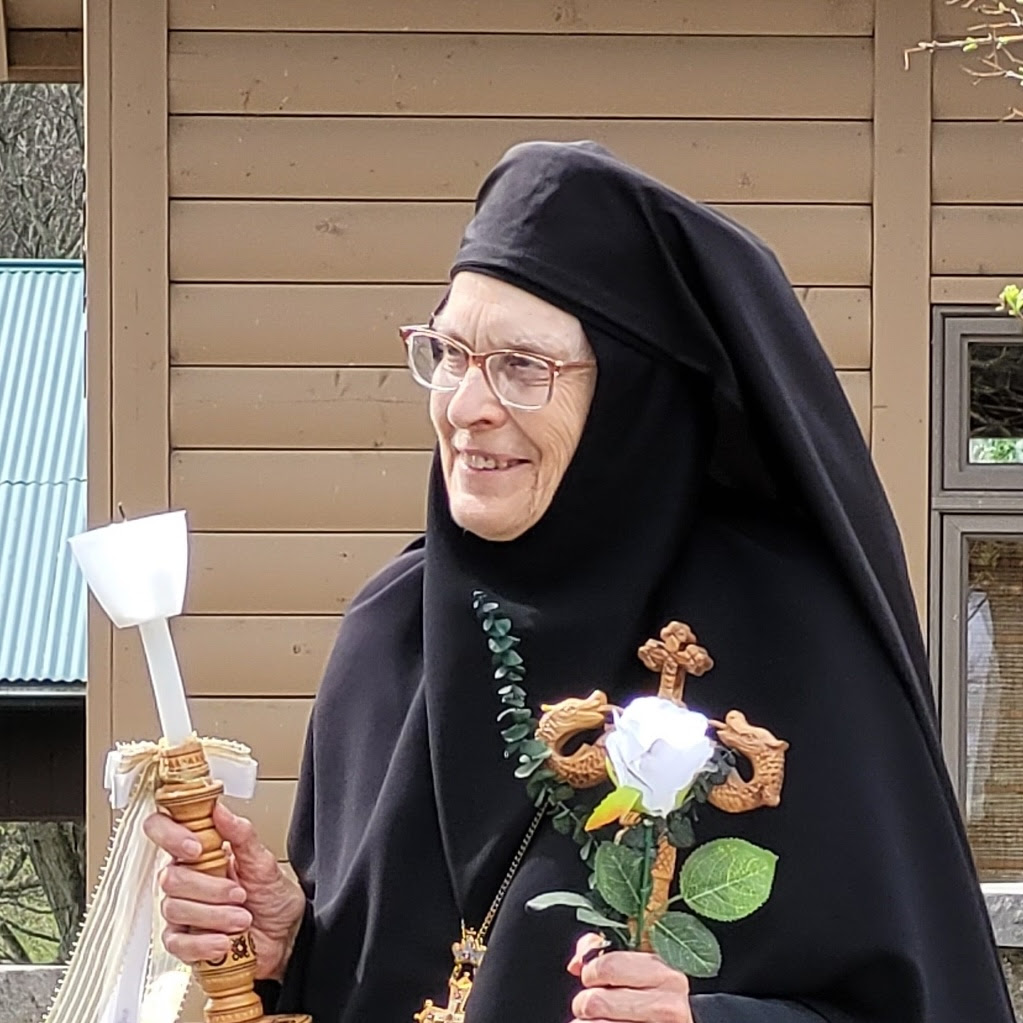
Mother Christophora
Abbess of Holy Transfiguration Monastery
Title of talk: “The One who Endures to the End will be Saved” – Clues from the Cloister
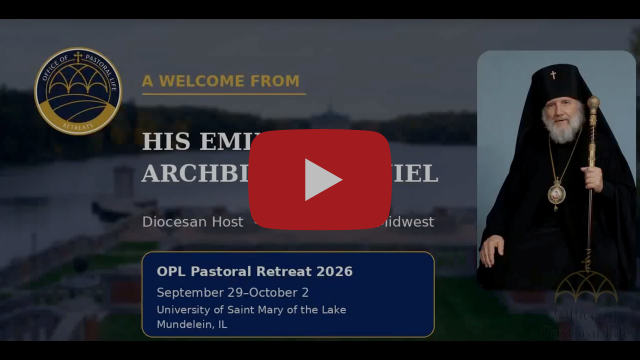
A Welcome to this Year's Pastoral Retreat from
Archbishop Daniel
Reflection on Clergy Retirement
Words from our clergy
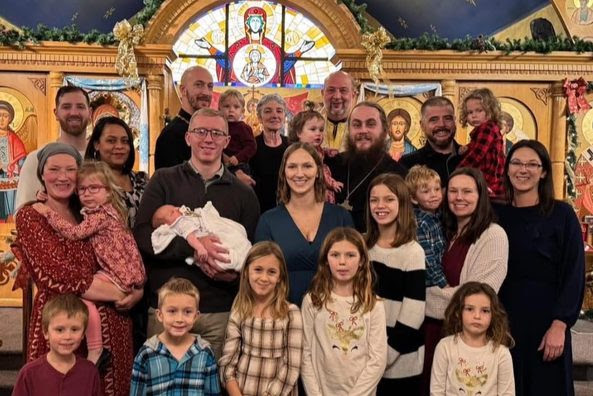
You Never Truly Retire from the Priesthood
Father Andrew Nelko
In reflection, I can say that a priest never truly retires from the priesthood. A priest may retire from active parish ministry but can — and should — still serve at the altar, grow spiritually, and continue to enhance his spiritual life. Ultimately, that was my goal and what mattered most to me during my transition.
In preparing for life after active parish ministry, I offer two points. First, don’t wait until the last minute to begin planning for those years. For by then it is already too late. Instead, early in your priestly career, be proactive and think about what the years ahead might look like and take the steps necessary to get there. Second, take care of yourself — both spiritually and financially. I say this because there is no one else you can depend on who is necessarily going to take care of you. The reality is that the Church, the bishop, and even Uncle Sam are not always in a position to do that for you.
What was important to me was that when the time came to step back from parish ministry I didn't want to simply retire and not serve. Fortunately, I reside near Holy Transfiguration Monastery (Ellwood City, PA) where I am blessed with the opportunity to pray and continue serving at the Holy Altar. In short, I always desired to be someplace where I could continue to worship and I am grateful for that.
In addition, I believe there comes a time when a priest needs to recognize when it is time to step aside. As a priest naturally ages, he slows down, and unfortunately sometimes a parish slows down with him. I have seen parishes atrophy because the priest was getting older and either wanted to stay on or had to stay on. Sometimes a parish needs a change, a younger, vibrant priest with a different vision and approach.
In reflection, I feel like I have been truly blessed. Foremost among those blessings is my wife and family. We have five married children and twelve grandchildren. My son and son-in-law are priests — and it was always my dream that I could stand at the Holy Altar and serve with them on Pascha or Christmas. Now, thanks to God, I have that opportunity!
Finally, I may have stepped away from leading a parish, but I have not stepped away from the priesthood. I can still serve at the altar. I can still grow spiritually. I can still serve alongside members of my family. And I count that among my many blessings.
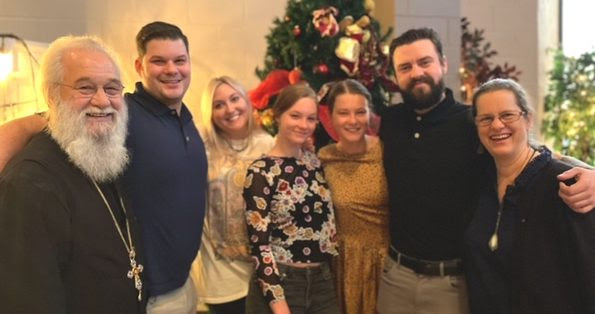
Our Retirement Identity: Learning to be Still
Father Thomas Moore
Often, when priests retire, they are somewhat lost and untethered at first. It seems like a loss of identity, or at least the identity we have known for 30 or 40 years. What does it mean to be a retired priest? No one seems to call anymore. One feels unneeded. All those years of experience don’t seem to be important to anyone anymore. I am convinced that, for the first time in history, as far as I know, the Orthodox Church has retired priests. I suspect that historically, priests often served until death, or their sons or someone known to the community were ordained to take over. We are confronted with figuring out what it means to have a vocation when the Church does not seem to need it anymore.
My confessor tells me, “You have to practice being nobody.” I think he means to put aside all the business of our previous service and learn to be still and know God more intimately. But this is more difficult than it sounds.
Retirement is also about vulnerability. All of a sudden, you become vulnerable to the new priest, the new community, the new bishop — even your former bishop. You are no longer in control in the way you once thought you were. That is why it is so important to develop an interior spiritual life now. I think that, for many priests, the services of the Church become their spiritual life. All of a sudden, you don’t have that in the same way. What did hermits do in their cells?
There are also practical things that need to be considered long before retirement comes. Have you planned financially? Have you planned whether you are going to stay or go? Where are your children going to live? All these things go into that planning stage, and priests need to be thinking about them now. I hope to encourage priests to begin thinking about these things early.
But even when you plan for retirement, a lot of changes happen in the meantime, and things may not go the way you planned. So, you plan, expect changes, and remain flexible as you go. The best-laid plans of mice and men often “gang aft agley,” as Robert Burns wrote. Thomas à Kempis summarizes it this way: “Man proposes, and God disposes.”
One of the difficult things about retirement is seeing so much collective wisdom go untapped. The Church currently does not seem to know how to tap into that reservoir of experience. None of us wants to go back to having the responsibility of a parish, but many have years of experience that we would like to offer in some way.
Retirement is a balance. On the one hand, it certainly is enjoyable. We go to the beach. We have a lot of time to be quiet, read, and learn stillness. But on the other hand, there is a sense of diminishing of who you are. Ultimately, that is a good thing but difficult initially.
Perhaps that is part of the spiritual work of this season: learning how to live with that vulnerability, developing an interior spiritual life, remaining open when plans change, and, as my confessor tells me, practicing being nobody.

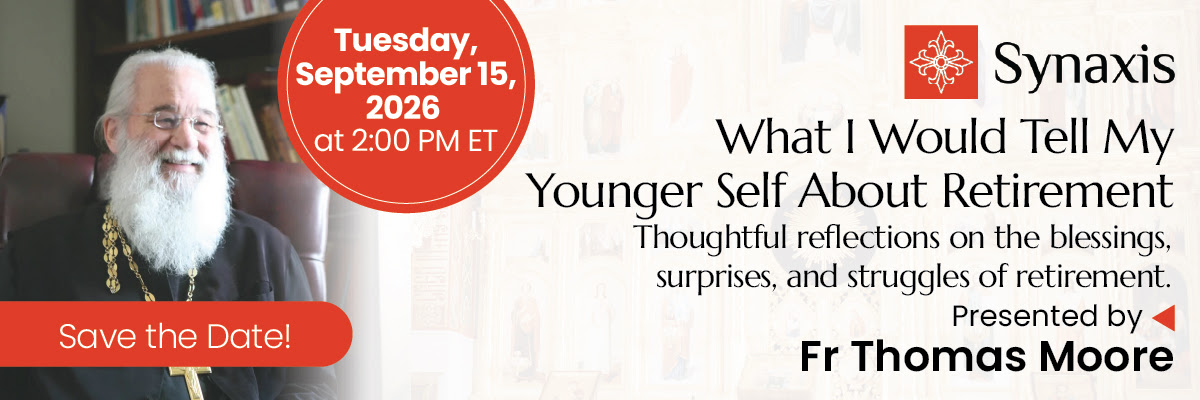
Save the Date for September’s Synaxis
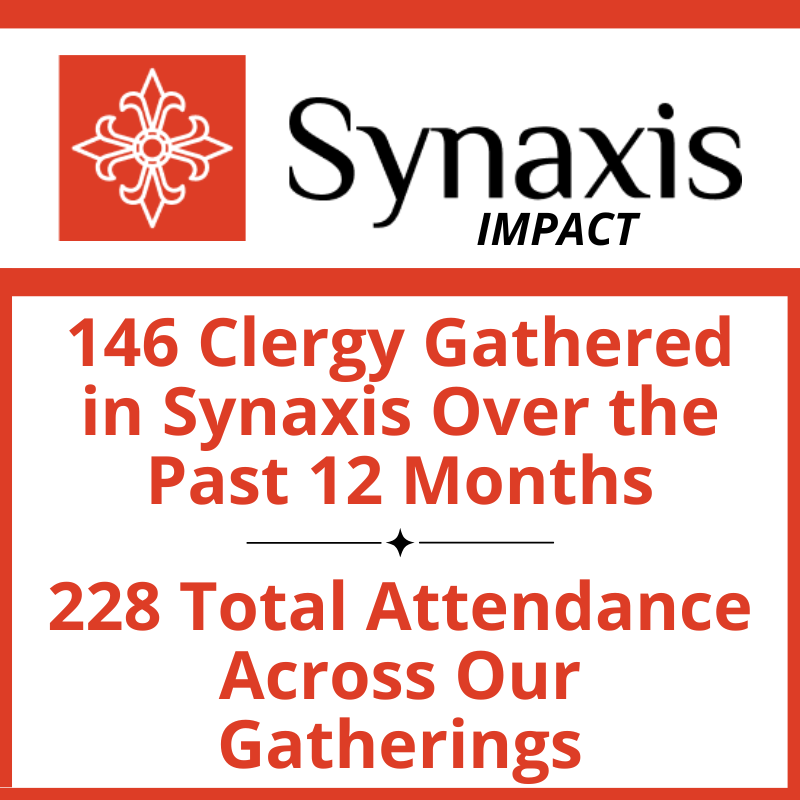
Update by Fr. Joshua Mosher, Director of Synaxis
The September Clergy Synaxis will be on Tuesday, Sept. 15, at 2:00 ET.
Fr. Thomas Moore will be speaking on “What I would tell my younger self about retirement.” It is intended to provide thoughtful reflections on the blessings, surprises, and struggles of retirement; how might even much younger clergy think more fruitfully about retirement; and how brother clergy might support one another better.
Save the date as we look forward to have you as part of our discussions together.

Cohort 2 Participant Update
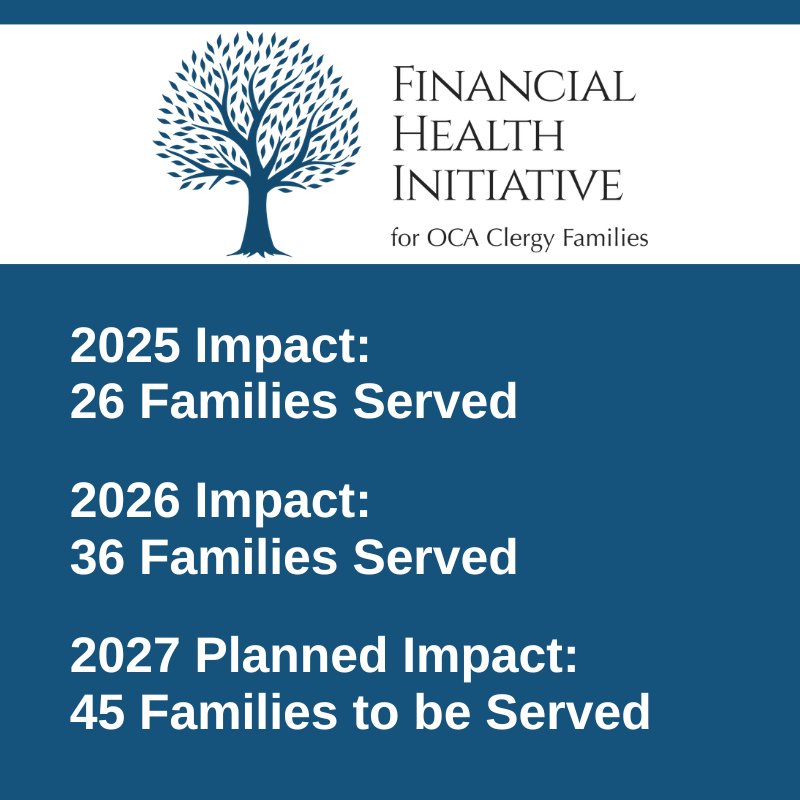
by Fr. Stephen Vernak, Director of the Financial Health Initiative
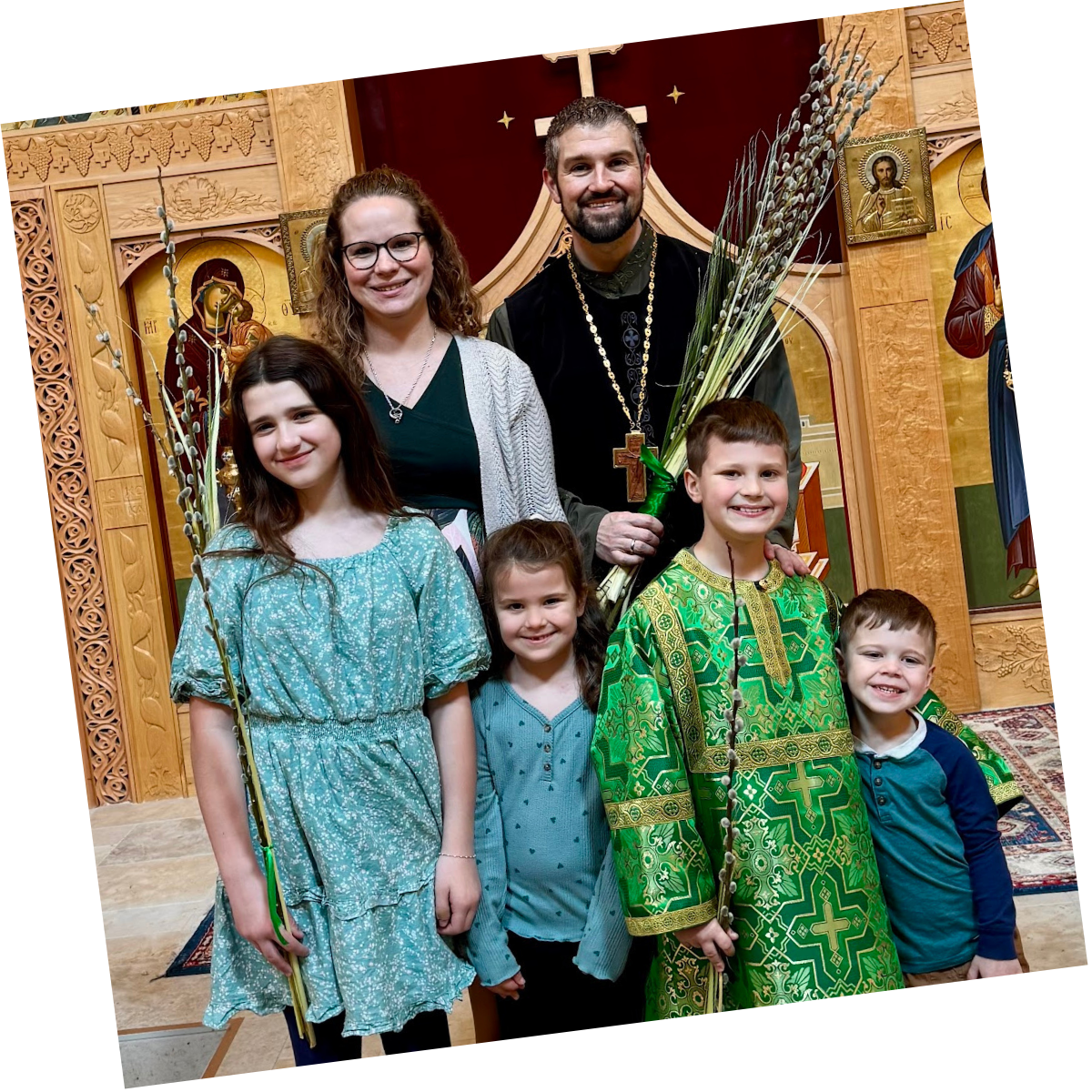
Fr. Gabriel & M. Laura Bilas
The Financial Health Initiative (FHI) has been an eye-opening experience for Matushka and me. The free SmartDollar app and debt reduction tools have been incredibly helpful in identifying where we stand financially and for putting together a game plan moving forward so we don’t have the stress of living paycheck to paycheck. I am grateful for the Office of Pastoral Life for making this, as well as all the other Ramsey tools available to us. It’s one lesss tressor in a life full of them!

WALKING TOGETHER A Companion to The Joy to Serve
by Matushka Carrie Foley, Director of Clergy Wives Ministry

Our One Book One Sisterhood book for 2026, The Joy to Serve: Love Him Back! by Matushka Juliana Schmemann, offers a fertile space to pause and reflect on who we are—women with a calling, not just for tasks, but for a life enjoying our Lord. We desire to serve him as St Martha and to sit at His feet as St Mary.
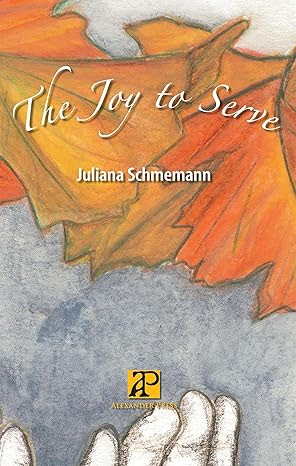
To help integrate our own hearts and personal histories into Mka Juliana’s thoughtful reflections, I've put together a companion guide called Walking Together. Whether you read The Joy to Serve book alongside others or on your own, I invite you to use this guide to go deeper.
I encourage you to gather a group of other clergy wives in your area (or online), and work through the guide together. God has called you to this unique life as a clergy wife in the Orthodox Church in America. And though you may feel isolated at times, yours is a calling to a road you share with many. A discussion group can help weave your experiences into a beautiful tapestry as you share your lives with one another.
If a group book discussion is not an option, use this companion to invite Christ into your reading, joys, and sorrows through personal journaling. Whatever your path, we’ve provided guidelines to help get you started.
As you journey along the way, I pray you will discover that joy is not just something we seek—it is a gift we receive as we walk together in Christ.
Clergy wives and widows, the Church is grateful for your ministry. And you are not alone. To bring this home, we are working to strengthen connections among clergy wives across the Church so women can more easily find friendship, encouragement, and opportunities for refreshment.
Do you know a clergy wife or widow in the Orthodox Church in America who did not receive this email? If so, then she is not in our directory.
Please share this link with her so she doesn’t miss out. It would be my greatest joy to include her!

Call for Facilitators!
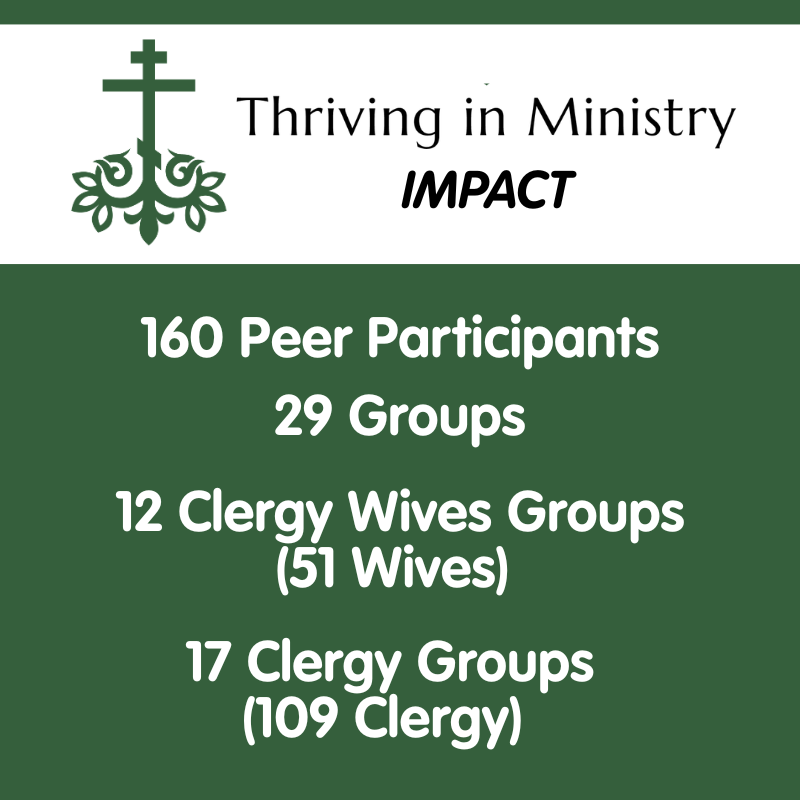
By Shelby Giokas, Director of Thriving in Ministry
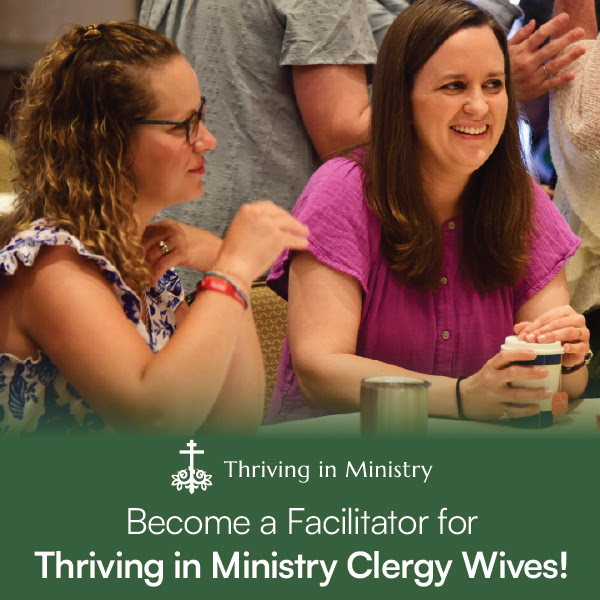
Interested in being a facilitator for a Thriving in Ministry Clergy Wives peer learning group?
We are looking for well qualified clergy wives to lead new Thriving in Ministry groups. Must be available to attend our Training & Retreat in Titusville, Florida October 27-30, 2026. For more information, contact Shelby Giokas, operations@opl.oca.org.
Donor Update: A Call to Action
by PJ Gorman
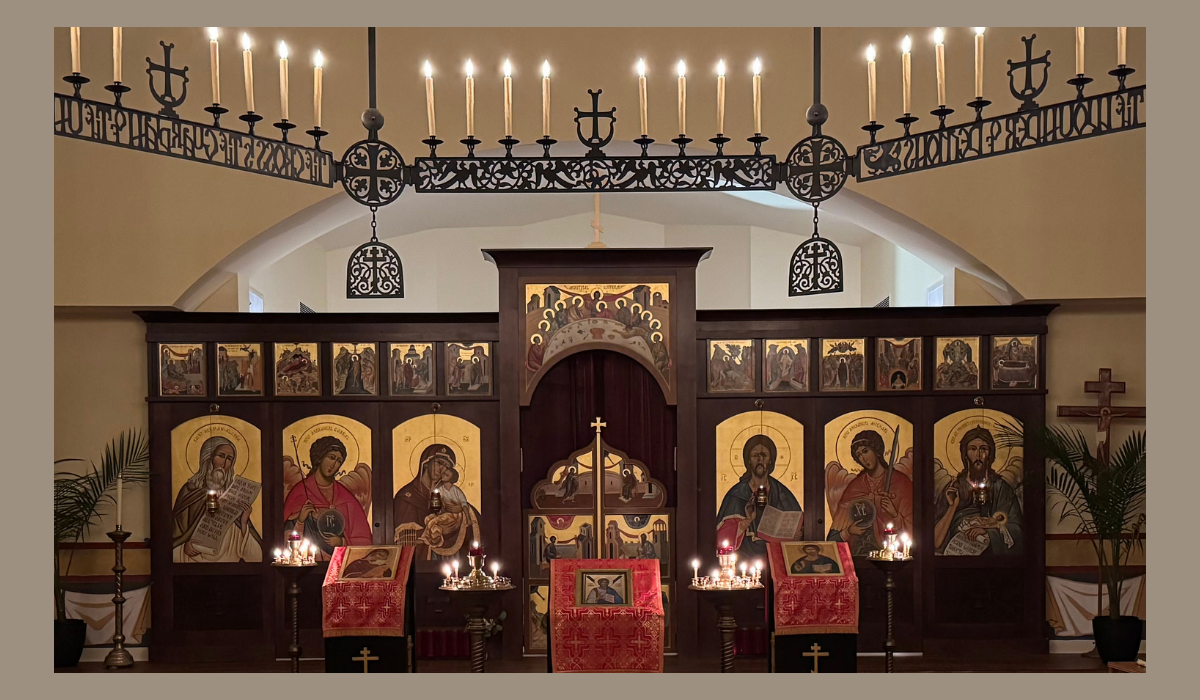
Every day, Orthodox clergy devote themselves to serving Christ and His Church. They celebrate the Divine Services, comfort the grieving, visit the sick, counsel families, and faithfully shepherd their parishes. Yet many clergy and their families quietly face challenges of their own, including financial stress, isolation, and the demands of ministry.
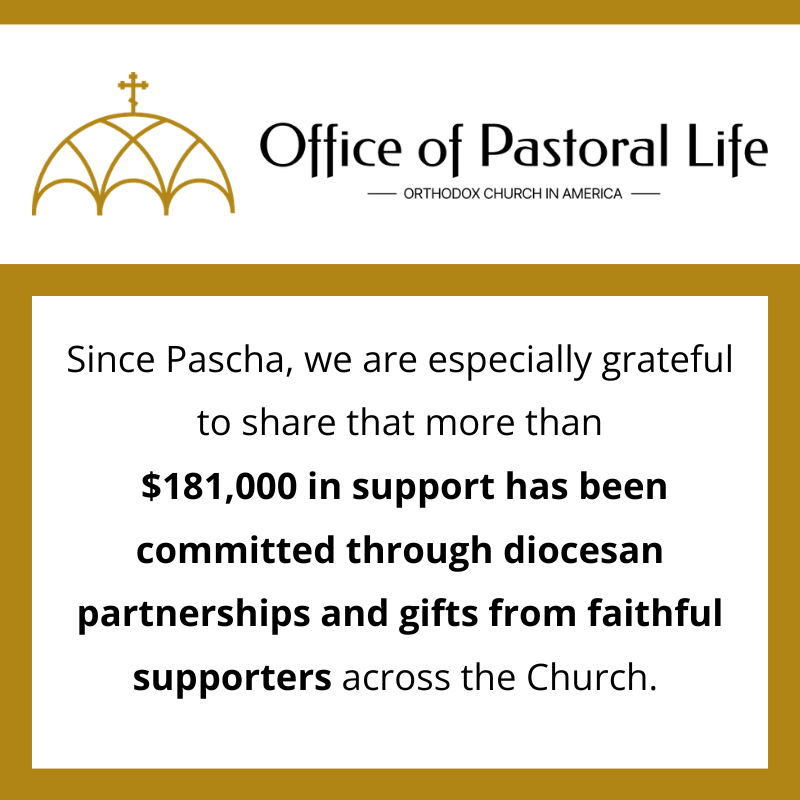
The Office of Pastoral Life exists to care for those who care for us. Through programs like the Financial Health Initiative, Thriving in Ministry, Synaxis, and Clergy Wives Ministry, OPL now serves more than 300 clergy and clergy wives each year, providing practical resources, spiritual encouragement, financial education, and meaningful community.
This ministry is only possible because of faithful supporters who believe that healthy clergy lead healthy parishes.
Would you prayerfully consider becoming an OPL partner?
A monthly recurring gift is one of the most meaningful ways to support this work. Whether it's $10, $25, $50, or more each month, your generosity provides dependable support that allows OPL to plan for the future and expand care for clergy families. Every gift, of any amount, makes a real difference in strengthening those who faithfully serve our Church.
To learn more or make a secure gift, visit opl.oca.org/giving.
We are very excited that our online community is open and growing on Facebook and Instagram! The purpose of providing social media that you and the greater OCA community can follow is to provide a place where all the good can be shared.
Posts showcase all that is happening in the programs of the OPL and what is taking place in our greater community in how we can support one another. Please click and follow today!